
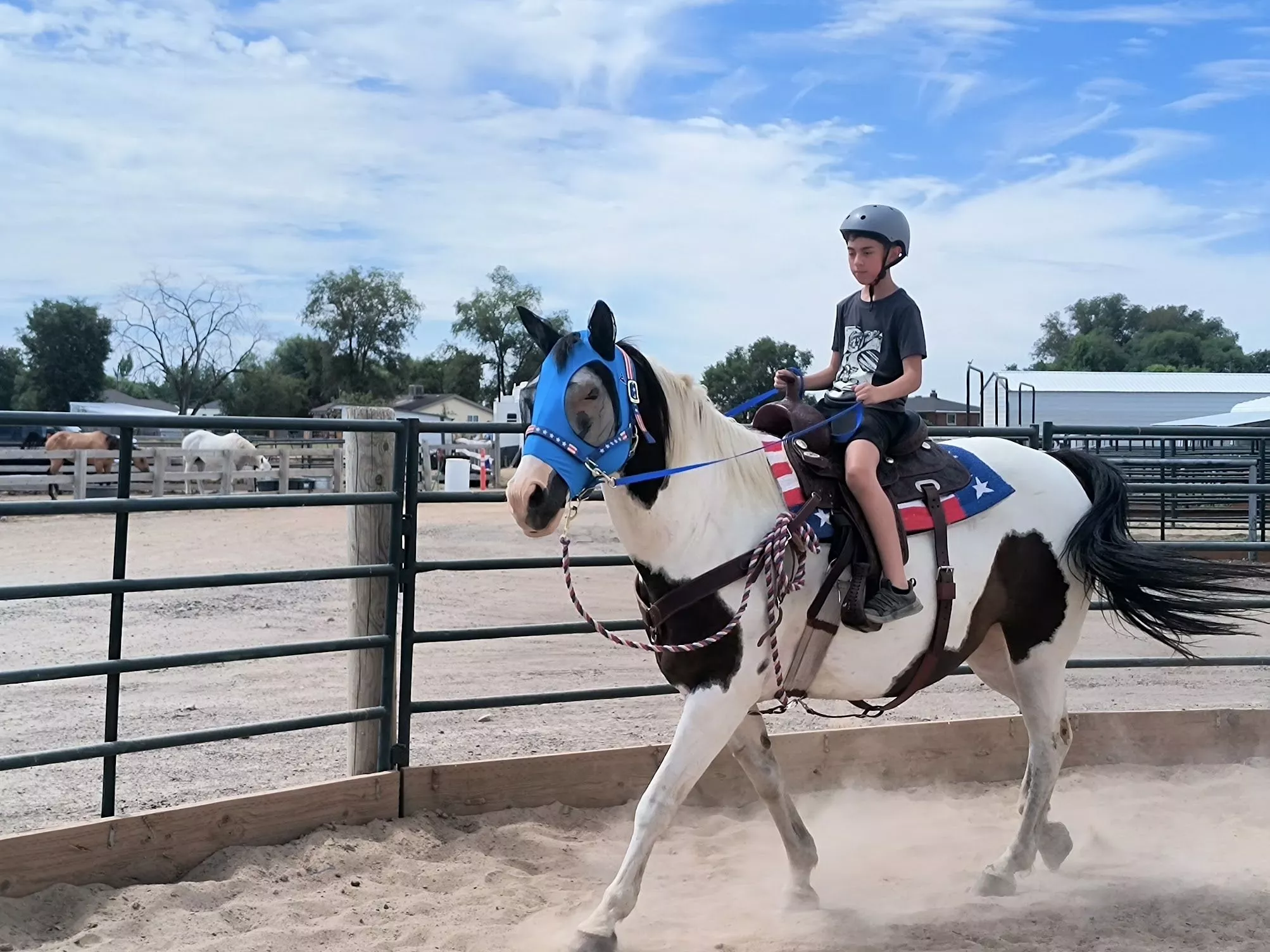
Horseback riding can be an exciting activity for children, but the benefits go far beyond learning how to sit in a saddle. Riding lessons can help kids become more confident, responsible, patient, and aware of the world around them.
At Riders of the Mark, students learn how to work with horses in a safe and supportive setting. Each lesson gives children a chance to try something new, solve small challenges, and see their own progress. Over time, these experiences can shape the way they handle school, friendships, sports, and other parts of life.
Riding Helps Kids Believe in Themselves
Many children feel nervous during their first horseback riding lesson. Horses are large animals, and learning how to approach, groom, and ride one can feel like a big step. With the right guidance, that nervous feeling can slowly turn into confidence.
A child may begin by learning how to stand safely near a horse. Next, they may practice grooming, leading, or mounting. Each small success shows them that they are capable of more than they thought.
Confidence grows when kids see real improvement. They may learn how to hold the reins, guide the horse, keep their balance, or follow a riding pattern. These victories matter because the child earns them through effort.
Horseback riding also teaches kids that it is normal to feel unsure at first. They learn that fear does not always mean they should stop. Sometimes, it means they need support, practice, and time.
This lesson can help children outside the riding arena too. A child who becomes more confident around horses may also feel more willing to speak up in class, join a new activity, or try something that once seemed difficult.
Caring for a Horse Builds Responsibility
Horseback riding lessons are not only about riding. Students also learn that horses depend on people for care, safety, and clear communication.
Children may help with grooming, checking equipment, listening to instructions, or preparing the horse before a lesson. These tasks teach them that working with an animal comes with real responsibility.
A horse cannot explain what it needs with words. Riders must pay attention to body language, behavior, and comfort. This helps children become more observant and thoughtful.
They also learn that shortcuts can create problems. A saddle must be checked. A horse must be approached correctly. Directions must be followed. These habits show kids why details matter.
Some of the responsibility-building skills children can learn include:
- Arriving ready to listen and participate
- Handling riding equipment with care
- Following barn and arena safety rules
- Grooming a horse with patience
- Paying attention to the horse’s comfort
- Completing each step before moving forward
- Respecting instructors, horses, and other riders
These lessons can carry into daily routines at home and school. Children may become more aware of completing chores, caring for pets, keeping track of their belongings, or following through on promises.
Horses Teach Patience and Clear Communication
Horses respond best to calm, steady, and clear guidance. A rider cannot always rush a horse or force an immediate result. This makes horseback riding a powerful way for kids to practice patience.
A child may need to repeat a cue several times before getting it right. They may have to adjust their posture, hand position, or tone. Instead of giving up, they learn to pause, listen, and try again.
This process helps children understand that communication is not only about talking. It also includes body language, timing, attention, and respect.
If a rider feels tense or distracted, the horse may notice. The child learns how to manage their energy and become more focused. They begin to see how their actions affect the animal.
That awareness can improve the way they interact with people too. Kids may become better at noticing when someone feels uncomfortable, confused, or upset. They may also learn to communicate their needs in a calmer way.
Riding Encourages Focus and Emotional Control
Horseback riding requires attention. Students must listen to the instructor, watch where they are going, notice the horse’s movements, and remember safety steps.
This gives children a healthy reason to stay present. They cannot be fully focused on a phone, game, or outside distraction while working with a horse.
As kids practice riding, they also learn to control their emotions. A lesson may not always go exactly as planned. A horse may move differently than expected, or a new skill may take longer to learn.
Instead of reacting with frustration, students are encouraged to breathe, reset, and try again. This builds emotional strength.
Riding can also give children a sense of calm. Spending time around horses may help them slow down and focus on one task at a time. For kids who feel pressure at school or in social settings, time at the barn can offer a positive change of pace.
Every Lesson Creates a Chance to Grow
One of the best parts of horseback riding is that progress happens step by step. Children do not need to master everything during their first lesson.
They can grow at a pace that fits their comfort level and experience. One child may feel proud after grooming a horse independently. Another may celebrate riding without help or learning a new pattern.
These moments build lasting confidence because they come from real effort.
Horse riding lessons also teach children that mistakes are part of learning. Losing balance, forgetting a step, or giving the wrong cue does not mean they have failed. It simply gives them something to work on.
At Riders of the Mark, children can learn in an environment where safety, encouragement, and personal growth matter. They get the chance to connect with horses while developing skills that can support them for years to come.
Booking a horseback riding lesson can be the start of much more than a new hobby. It can help your child become more confident, responsible, patient, and prepared to face new challenges with a stronger sense of self.