
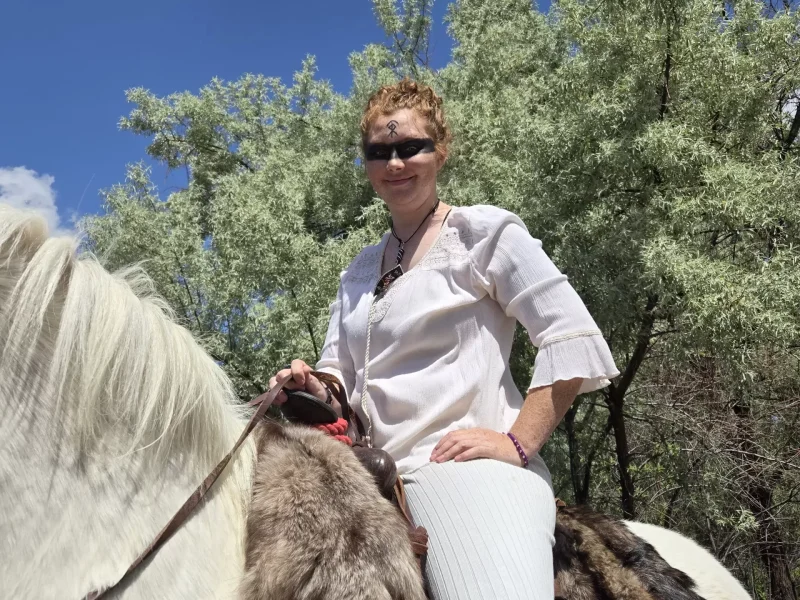
Horseback riding can be exciting from the very first lesson. You get to work with an animal, learn new skills, and experience something completely different from most other activities.
But beginners often make a few common mistakes when they first start riding.
That is normal.
Horseback riding uses balance, coordination, timing, and communication all at once. Nobody is expected to understand everything immediately. The goal is not to be perfect. The goal is to learn safe habits that help you become a confident and comfortable rider.
At Riders of the Mark, beginners can learn at a pace that makes sense for their experience and comfort level. Knowing some of the most common mistakes ahead of time can help new riders get more from every lesson.
1. Trying to Control the Horse With Strength
One mistake beginners sometimes make is thinking they need to use a lot of strength to control a horse.
Horses are much larger and stronger than people, so trying to overpower one is not the answer. Good riding is built around communication.
Riders learn to use their hands, legs, body position, and voice to give clear signals. Small movements can mean a lot when the horse understands what the rider is asking.
For example, pulling hard on the reins does not always create better control. It can make the rider tense and may confuse the horse.
Instead, a riding instructor can teach you how to use gentle, steady signals. As you improve, you begin to understand that riding is more about timing than force.
This is one of the reasons professional instruction is so valuable for beginners. Learning the correct habits early can prevent frustration later.
2. Looking Down Instead of Looking Ahead
Many new riders naturally look down at the horse, their hands, or the saddle. It feels safer because you want to see what you are doing.
However, looking down can actually affect your balance and position.
Your body tends to follow your eyes. When you look down, your shoulders may lean forward. That can make you feel less stable in the saddle.
A better habit is to look where you want to go.
Keeping your eyes forward can help you:
- Maintain better posture
- Improve your balance
- Steer more accurately
- Notice what is happening around you
- Feel more confident while riding
Your instructor may remind you several times to keep your head up. That reminder is not just about appearance. It can make a real difference in how you ride.
Over time, looking ahead begins to feel natural.
3. Holding Your Body Too Tight
It is common for beginners to become stiff when they feel nervous.
You may grip the saddle with your legs, tighten your shoulders, or hold the reins too firmly. The problem is that horses move.
If your body is very stiff, it becomes harder to move comfortably with the horse. You may bounce more, lose balance, or feel tired quickly.
Learning how to relax does not mean becoming loose or careless. Instead, riders learn to stay balanced while allowing their hips, legs, and upper body to move naturally with the horse.
Breathing can help.
If you notice yourself getting tense, take a slow breath and relax your shoulders. Listen to your instructor and focus on one skill at a time.
Confidence usually grows as the rider becomes more familiar with the horse’s movement.
The more comfortable you become, the easier it is to stay relaxed.
4. Expecting to Learn Everything Too Quickly
Some riders become frustrated when they do not improve as fast as they expected.
Maybe you have watched experienced riders online or seen someone who makes riding look easy.
What you do not see is the time they spent learning. Horseback riding is a skill that develops through practice.
During your first lessons, you may spend time working on basic skills such as stopping, steering, body position, and balance. Those skills may seem simple, but they create the foundation for everything you learn later.
Trying to move ahead too quickly can lead to bad habits.
A better approach is to focus on steady progress.
Ask yourself questions like:
- Am I more comfortable than I was during my first lesson?
- Is my balance improving?
- Am I giving clearer signals to the horse?
- Do I understand more about how horses respond?
- Am I becoming more confident around the horse?
Those small improvements matter.
Every lesson gives you another chance to build your skills.
5. Forgetting That the Horse Is Your Partner
Beginning riders sometimes focus so much on their own position that they forget they are working with a living animal.
A horse is not like a bicycle or machine.
Horses have personalities, moods, habits, and reactions. They respond to the rider’s body language and energy.
Learning how to understand the horse is an important part of becoming a good rider.
Pay attention to what your instructor teaches you about approaching, grooming, leading, and handling the horse.
Spending time with the horse before and after riding can help you become more comfortable and aware.
Respect is important too.
Listen to instructions about safe distances, where to stand, and how to move around a horse. These habits protect both the rider and the animal.
As your experience grows, you may begin to notice small signs in a horse’s ears, movement, and body language.
That understanding can make riding more rewarding.
Learn the Right Way From the Beginning
Mistakes are part of learning any new skill. The key is having someone there who can help you understand what went wrong and show you how to improve.
A good horseback riding lesson gives beginners a safe place to practice while building confidence step by step.
At Riders of the Mark, new riders can learn important skills without feeling pressured to rush. Lessons can help students understand proper position, balance, communication, horse safety, and basic horsemanship.
The goal is not simply to stay on the horse. It is to become a thoughtful rider who understands how to work with the horse. If you have always wanted to try horseback riding, you do not need previous experience to begin. You only need a willingness to learn.
Contact Riders of the Mark to learn more about beginner horseback riding lessons and start building the skills that can make every ride safer, more comfortable, and more enjoyable.