
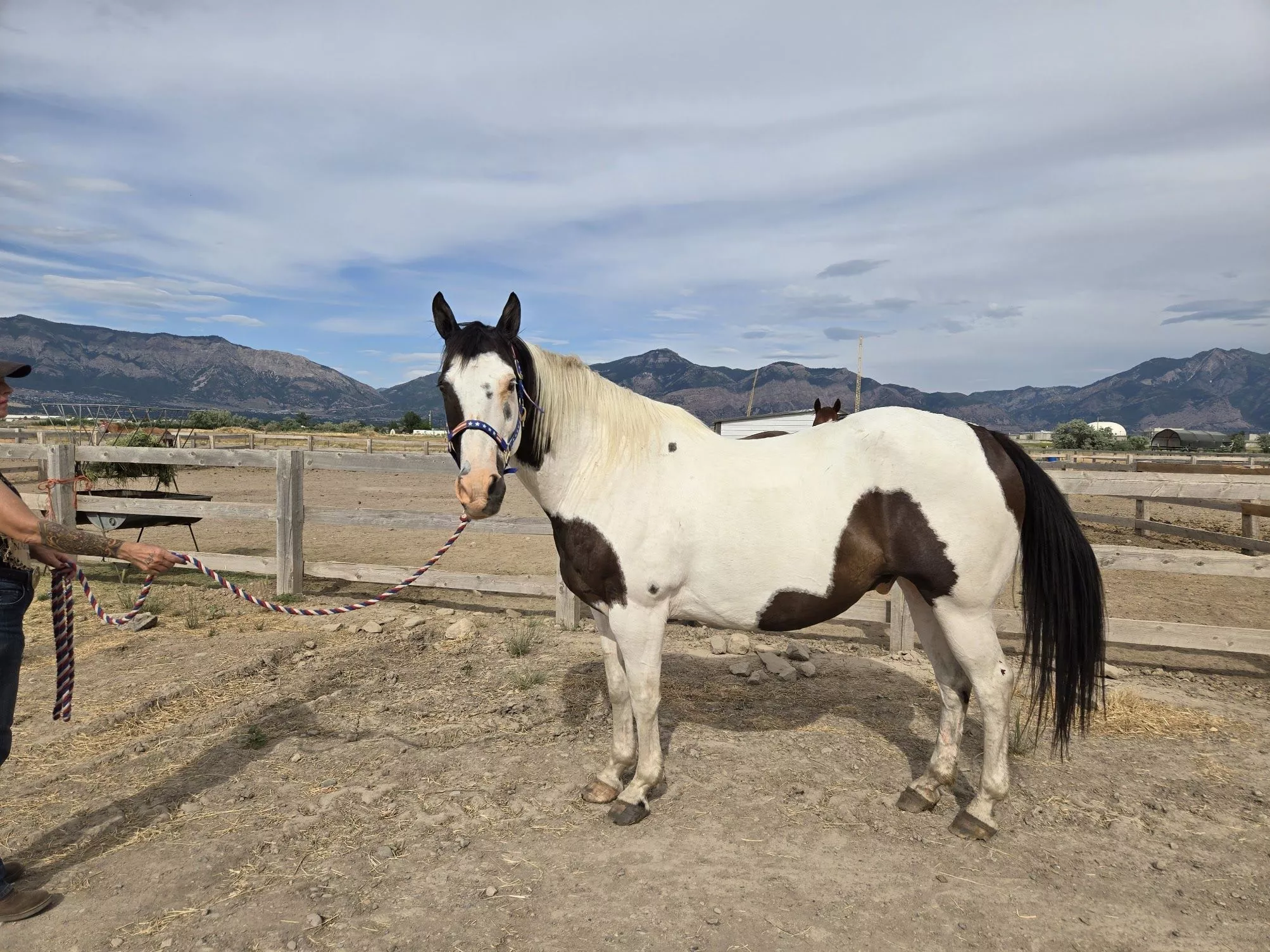
Many people think horseback riding lessons are only about learning how to ride. Riding is an important part of the experience, but true horsemanship goes much deeper. It includes understanding how horses think, learning how to care for them, and building a strong relationship based on trust.
At Riders of the Mark, students gain practical skills that help them become more confident around horses. They learn what to do before, during, and after each ride. These lessons also teach patience, responsibility, focus, and respect.
Whether a student is a young beginner or an adult returning to the saddle, horsemanship creates a strong foundation for safe and enjoyable riding.
Learning How Horses Communicate
Horses cannot speak with words, but they are always communicating. They use their ears, eyes, head, tail, body position, and movement to show how they feel.
A relaxed horse may lower its head, soften its eyes, and stand calmly. A worried horse may raise its head, move away, or become tense. Learning to notice these signals helps students understand when a horse feels comfortable, confused, nervous, or distracted.
This skill is important because horses respond best to riders who stay aware and calm. Students learn to watch the horse before walking into its space. They also learn how their own body language can affect the animal.
For example, quick movements may make a horse unsure, while slow and steady actions often help the horse feel safe. A student who understands these details can communicate more clearly and avoid creating unnecessary stress.
Over time, students begin to see the horse as a partner rather than something they simply control.
Building Confidence Through Groundwork
Some of the most valuable lessons happen before a student gets into the saddle. Groundwork teaches riders how to safely approach, lead, stop, turn, and handle a horse while standing on the ground.
Students may learn how to attach a lead rope, walk beside the horse, and ask it to move without pulling or pushing. They also practice keeping a safe distance and paying attention to where the horse places its feet.
These activities build confidence because students learn how to guide a large animal through clear and simple communication. Each small success helps the student feel more comfortable.
Groundwork can be especially helpful for nervous riders. It gives them time to learn about the horse without feeling pressure to ride right away. They can build trust at a pace that feels manageable.
This part of horsemanship also teaches students to stay focused. Horses notice when a person is distracted, tense, or unsure. By learning to breathe, stand tall, and give clear directions, students become stronger leaders.
Understanding Daily Horse Care
Riding is only one part of owning or working with horses. Students also need to understand the care that keeps horses healthy and comfortable.
Horsemanship lessons may include grooming, checking hooves, preparing equipment, and learning about basic barn routines. Grooming helps remove dirt, loose hair, and mud before a ride. It also gives students a chance to check the horse for sore spots, swelling, or small injuries.
Cleaning hooves is another important skill. Stones, packed dirt, or other objects can become uncomfortable if they are not removed. Students learn how to stand safely and support the horse’s hoof during this process.
They may also learn why clean water, proper food, movement, shelter, and regular health care matter.
Important horse care lessons include:
- Approaching and tying a horse safely
- Using grooming tools correctly
- Checking the horse before and after riding
- Keeping tack and equipment clean
- Recognizing basic signs of discomfort
- Respecting barn rules and routines
- Leaving the horse calm and comfortable
These tasks help students understand that horses depend on people for dependable care. This encourages responsibility and teaches them to think about the horse’s needs first.
Developing Better Riding Skills
Strong horsemanship makes students better riders. When students understand the horse, they can give clearer signals and react more safely.
They learn that riding is not about using force. It is about balance, timing, communication, and consistency. A rider must learn how to use their hands, legs, seat, and voice in a way the horse can understand.
Students also begin to see that every horse is different. One horse may be very calm, while another may be more sensitive. A good rider learns to adjust instead of expecting every horse to respond in the same way.
Real horsemanship teaches students to ask clearly, notice the horse’s response, and make changes when needed. This creates a better experience for both the rider and the horse.
It also helps riders understand why preparation matters. A student who rushes through grooming, ignores equipment, or stops paying attention may create problems before the ride even begins. Careful habits lead to safer and more successful lessons.
Life Lessons That Go Beyond the Barn
Horsemanship can shape how students handle challenges in everyday life. Working with horses requires patience because progress does not always happen quickly. A student may need to practice the same skill several times before it feels natural.
Horses also teach honesty. They respond to how a person truly feels, not just what that person says. A nervous rider may need to learn how to manage fear instead of pretending it is not there.
Students also develop responsibility. Horses need consistent care, and barn tasks must be completed correctly. These habits can help students become more dependable at home, at school, and in other activities.
Horsemanship may also improve problem-solving skills. If a horse does not understand a request, the student must pause and think. They learn to try a clearer approach rather than becoming frustrated.
Most importantly, students learn respect. They discover that a horse is a living animal with its own feelings, needs, and personality.
Discover the Full Experience at Riders of the Mark
Horseback riding can be exciting, but real horsemanship makes the experience more meaningful. Students learn how to communicate, care for horses, build trust, and grow in confidence.
At Riders of the Mark, lessons are designed to help students feel supported while developing strong skills at a comfortable pace. Each visit offers a chance to learn something new, whether the student is grooming a horse, practicing groundwork, or improving in the saddle.
Booking a horsemanship lesson is not only a step toward becoming a better rider. It is also an opportunity to build patience, responsibility, confidence, and a deeper connection with horses.